Does your chest have a flat top no matter how much bench pressing you do? You’re not alone. The upper chest, or the clavicular head of the pectoralis major muscle, is the most underdeveloped part of the chest for the average person who works out. This is because the flat pressing exercises, which dominate the average chest workout, do not even touch this muscle.
The good news is that a few exercises for the upper chest will completely change the way this part of the body looks. It will have a full three-dimensional shape from the collarbone down. This article will reveal the 7 best upper chest exercises, along with the proper form, sets, reps, and the most common mistakes to avoid. Let’s work on the upper chest.
Anatomy of Upper Chest (Clavicular Head)
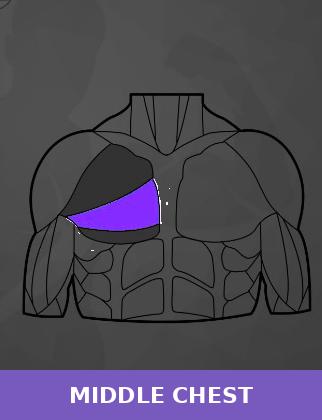
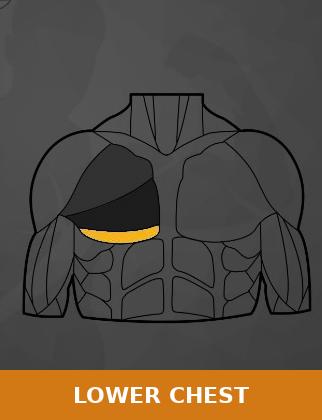
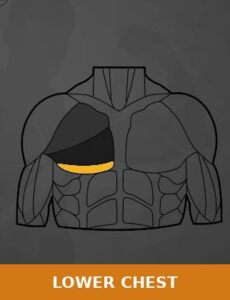
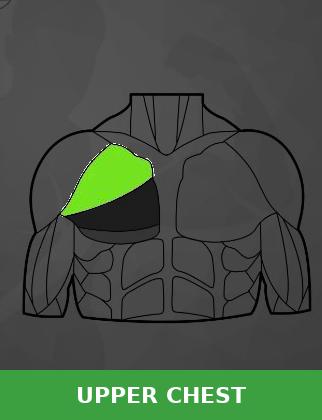
Pectoralis Major has two distinct heads, the sternocostal head, which refers to the lower/mid chest, and the clavicular head, which is what we refer to as the upper chest. The clavicular head originates from the collarbone/clavicle and inserts into the humerus, which is the bone of the upper arm.
The primary function of the Pectoralis Major muscle is to flex the shoulder, i.e., push the arm forward and upwards. This is why it’s most effective when using incline movements and overhead presses. If all you’re doing is flat pressing, you’re essentially working the sternocostal head and neglecting the clavicular head, which is just not going to be trained enough.
Developing the upper chest will give you the ‘shelf look,’ meaning it will be thick and full, filling out the area around the lower part of the collarbone. This is the difference between having a flat chest and one that’s complete and rounded from all directions.
7 Best Upper Chest Exercises
Incline Bench Press
What it is: The best compound upper chest exercise, which is a barbell press done on a bench with a 30-45 degree incline.
Why it works for the upper chest: The angle of the bench causes the bar to travel up, which works the clavicular head of the chest muscles. Studies have shown that the optimal angle for upper chest activation is 30-45 degrees. Any greater and the movement starts to recruit the front deltoids.
How to do it:
- Set the bench to 30–45 degrees and lie back with feet flat on the floor
- Grip the bar slightly wider than shoulder-width
- Unrack and position the bar directly above your upper chest
- Lower the bar slowly to your upper chest, elbows at 60 degrees from your torso
- Press back up explosively, squeezing your upper chest at the top
- Repeat for desired reps
Pro tip: Keep the bar directly above the upper chest throughout — don’t let it drift toward your lower chest or you’ll lose upper chest tension immediately.
| Goal | Sets | Reps | Rest |
| Strength | 4-5 | 3-5 | 3-4 min |
| Hypertrophy | 3-4 | 8-12 | 60-90 sec |
| Endurance | 3 | 15-20 | 30-45 sec |
Incline Dumbbell Press
What it is: A dumbbell version of one of the most popular upper chest exercises, specifically for building mass in each side of the chest independently.
Why it targets the upper chest: With dumbbells, you can naturally follow a deeper inward arc as you press, resulting in a more powerful contraction of the clavicular head of the chest, compared to the barbell version. It also helps to eliminate imbalances between each side of the upper chest.
How to do it:
- Set the bench to 30–45 degrees with a dumbbell on each thigh
- Kick the dumbbells up as you lie back, positioning them beside your upper chest
- Press both dumbbells up and slightly inward until arms are fully extended
- Squeeze the upper chest hard at the top
- Lower slowly back to the start with control
- Repeat
Pro tip: Keep elbows at 60-70 degrees from your torso- flaring them too wide puts the shoulder joint at risk and reduces upper chest engagement.
| Goal | Sets | Reps | Rest |
| Strength | 4-5 | 5-6 | 3 min |
| Hypertrophy | 3-4 | 8-12 | 60-90 sec |
| Endurance | 3 | 12-15 | 45 sec |
Low-to-High Cable Fly
What it is: A type of cable fly where the pulleys are placed at the lowest point, which pulls the arms up and across, making it one of the most targeting exercises for the upper chest.
Why it targets the upper chest: The angle of the bar from low to high perfectly matches the line of pull of the clavicular head, which is to pull the muscle upwards and into the body. Unlike other free weight incline presses for the upper chest exercise, the cable provides constant tension on the muscles throughout the range of motion, including the top position.
How to do it:
- Set both cable pulleys to the lowest position and attach D-handles
- Stand in the center, grab both handles and step slightly forward
- With a soft bend in your elbows, sweep both hands upward and across in an arc until they meet at upper chest height
- Squeeze the upper chest hard at the peak
- Slowly return to the start under full control
- Repeat
Pro tip: Lead with your pinkies as the handles rise to subtly internally rotate the arms for a deeper upper chest contraction.
| Goal | Sets | Reps | Rest |
| Strength | 3 | 6-8 | 2 min |
| Hypertrophy | 3-4 | 10-15 | 60 sec |
| Endurance | 3 | 15-20 | 30 sec |
Incline Dumbbell Fly
What it is: An isolation upper chest exercise that stretches and contracts the clavicular head through a wide arc of motion
Why it targets the upper chest: With the fly movement, the upper chest muscles are placed on a deep stretch position and are squeezed maximally at the same time. With the angle of the incline, this movement is considered to be one of the best exercises for hypertrophy because time under tension and muscle damage are maximized.
How to do it:
- Set the bench to 30–45 degrees with a light dumbbell in each hand
- Lie back and extend arms above your chest, palms facing each other, elbows slightly bent
- Lower both arms out to your sides in a wide arc until you feel a deep stretch in the upper chest
- Squeeze the upper chest and bring both arms back up along the same arc
- Do not let the dumbbells touch at the top — keep constant tension on the upper chest muscles
- Repeat
Pro tip: Use lighter weight than you think you need. The moment you go too heavy, it becomes a press and you lose the stretch-focused benefit entirely.
| Goal | Sets | Reps | Rest |
| Strength | 3 | 6-8 | 2 min |
| Hypertrophy | 3-4 | 10-12 | 60 sec |
| Endurance | 3 | 12-15 | 45 sec |
Smith Machine Incline Press
What it is: An incline pressing upper chest exercise performed on a Smith machine — ideal for training to failure safely or for beginners learning the incline movement pattern.
Why it targets the upper chest: The fixed bar path of the Smith machine removes the stabilization demand, allowing you to focus purely on loading and contracting the upper chest muscles. It’s a reliable addition to any upper chest workout when you’re training without a spotter.
How to do it:
- Set the bench to 30–45 degrees inside the Smith machine
- Position yourself so the bar sits directly above your upper chest when lying back
- Unrack the bar with a shoulder-width grip
- Lower the bar slowly to your upper chest
- Press back up powerfully, squeezing the upper chest at the top
- Re-rack only when the set is complete
Pro tip: Set the bench slightly further back than you would for a free-weight incline press — the fixed bar path requires a slight positional adjustment to keep the bar over the upper chest throughout.
| Goal | Sets | Reps | Rest |
| Strength | 4 | 5-6 | 3 min |
| Hypertrophy | 3-4 | 8-12 | 60-90 sec |
| Endurance | 3 | 15-20 | 45 sec |
Landmine Press
What it is: An upper chest exercise performed by pressing a barbell anchored at one end into the floor at an upward arc — one of the most underrated incline chest exercises available.
Why it targets the upper chest: The arc of the landmine press closely mimics the natural movement of the clavicular head — pressing upward and slightly inward. It’s also significantly easier on the shoulder joint than traditional incline pressing, making it a smart choice for lifters with shoulder discomfort.
How to do it:
- Anchor one end of a barbell into a landmine attachment or corner of a wall
- Kneel on one knee or stand, holding the sleeve of the bar at chest height with both hands
- Press the bar upward and forward in an arc until your arms are fully extended
- Squeeze the upper chest at the top
- Lower the bar back to chest height with control
- Repeat
Pro tip: Cup both hands around the end of the bar and think about pressing your hands together as you push — this creates a strong upper chest contraction at the top of the movement.
| Goal | Sets | Reps | Rest |
| Strength | 3-4 | 5-8 | 2-3 min |
| Hypertrophy | 3 | 10-12 | 60-90 sec |
| Endurance | 3 | 12-15 | 45 sec |
Incline Push-Up
What it is: A bodyweight upper chest exercise that uses a bench or box to elevate feet, considered the most accessible incline chest exercise that requires no equipment.
Why it targets the upper chest: By elevating the feet, the angle of the press is changed, simulating the movement of the incline press, thus targeting the upper chest muscles more than the regular push-up. It is a great warm-up exercise, especially when you want to warm up the upper chest muscles before your workout routine, or as a finisher at the end of your workout.
How to do it:
- Place your feet on a bench or box behind you
- Get into a push-up position with hands on the floor, slightly wider than shoulder-width
- Lower your chest toward the floor, keeping elbows at 60 degrees
- Press back up powerfully, squeezing the upper chest at the top
- Keep your core tight and hips level throughout
- Repeat
Pro tip: The higher you elevate your feet, the more emphasis shifts to the upper chest muscles. Experiment with different heights to find where you feel the most upper chest activation.
| Goal | Sets | Reps | Rest |
| Warm-up | 2 | 10-15 | 45sec |
| Hypertrophy | 3-4 | 15-20 | 60 sec |
| Endurance | 3 | To failure | 45 sec |
How to Program Your Upper Chest Exercise
You don’t need all 9 upper chest exercises in one session. Pick 2–3 from this list based on your available equipment and build your upper chest workout around them. Here’s a ready-to-use structure:
| Exercise | Sets | Reps | Rest |
| Incline Barbell Bench Press | 4-5 | 5-6 | 3 min |
| Low-to-High Cable Fly | 3-4 | 8-12 | 60-90 sec |
| Incline Dumbbell Fly | 3 | 12-15 | 45 sec |
First, train the upper chest muscles. The clavicular head is not as large as the sternocostal head and fatigues easily. If you do the flat bench press exercises first, the upper chest muscles will be fatigued and will not be able to perform well for the incline press. It is best to always lead with the upper chest muscles prior to the flat press exercises.
Frequency: 2 sessions per week is the best frequency to produce the best results on most individuals. A heavy upper chest workout focusing on strength development (low reps, long rests) and a hypertrophy workout (moderate weights, short rests) per week is recommended.
Weekly volume: The weekly volume should be 10 to 20 sets for the upper chest workout sessions. Beginners should start from the lower end of the scale, while intermediate to advanced lifters should aim for 16 to 20 sets over two days.
Common Upper Chest Mistakes to Avoid
- Bench angle too steep
Inclining the bench too much will result in the direct workload being shifted from the upper chest muscles to the front deltoids. The bench should be inclined to a 30 to 45-degree angle for the best results. - Doing the flat bench before the upper chest exercises
This is the biggest mistake people do. Doing the flat bench before the upper chest exercises when the lifter is already fatigued is the main reason for the non-development of the upper chest muscles. Start the chest exercises with the upper chest exercises. - Cutting the range of motion too short
Cutting the range of motion too short will result in a loss of precious time for the upper chest muscles. The range of motion should be taken to a full stretch. - Grip too wide for the incline press
An overly wide grip for the incline bench will result in a loss of range of motion. The grip should be narrower than the grip for the flat bench. - No mind-muscle connection
Lifting the weight without feeling the contraction of the upper chest muscles makes every upper chest exercise a generic pressing exercise. Slow down, choose a weight you can handle, and contract the clavicular head on every single rep.
Tips to Better Activate the Upper Chest Muscles
Warm up intentionally. Doing two sets of incline push-ups or light low-to-high cable flies before the main upper chest workout will activate the clavicular head of the chest muscles to work effectively for each set.
Use a pre-activation set. Doing a set of light low-to-high cable flies before the first heavy upper chest exercise will activate the neuromuscular connection to the upper chest muscles, significantly improving the feel for each set.
Slow down the eccentric phase. Slowing down the eccentric phase of the exercise, i.e., the descent of the dumbbells to the starting position, will significantly increase the tension on the upper chest muscles, leading to more muscle damage, which is the major stimulus for muscle hypertrophy.
Bring the dumbbells slightly inward. This will activate the adduction of the upper chest muscles to a greater degree while doing the incline dumbbell press.
Frequently Asked Questions (FAQs)
How do I develop my upper chest?
The best way to do this is to base your upper chest workout around one heavy incline press movement, such as the incline barbell/dumbbell press, and one upper chest isolation movement at a low to high angle, such as the cable fly. It is best to train your upper chest exercises first in your workout routine before your flat pressing, and to perform 10-20 sets for the upper chest, split over two workouts.
Is incline better than flat bench for upper chest development?
Yes. The flat bench press is primarily a sternocostal head-of-the-pec exercise with minimal stimulation of the upper chest muscles. The incline chest press at 30 to 45 degrees directly targets the clavicular head and should be the basis of all upper chest exercises designed to develop the upper chest area.
How frequently should I train my upper chest?
The best frequency for upper chest exercises is two times a week. This is the best frequency for most people, and it allows for enough total volume and stimulus for the upper chest to increase in size.
Why are my upper chest muscles not building?
The most common reasons are always training upper chest exercises after flat bench when you are already fatigued, training too steep an incline (over 45 degrees), and only training the upper chest with compound movements without any isolation movements. You must reorganize your upper chest routine by leading with incline movements, using a 30- to 45-degree incline bench, and finishing every workout with a low-to-high cable fly for upper chest isolation.
What is the best single upper chest exercise?
The best single exercise for the upper chest for building mass is the incline barbell bench press. This exercise is the best for the upper chest because of the heavy weight possible. This exercise should be the single exercise of choice for the upper chest.
Conclusion
Your upper chest muscles are going to respond quickly once you start training them correctly. Start each of your chest training sessions with upper chest exercises, keep your incline between 30-45 degrees, add a low-to-high cable fly for direct isolation, and make sure you feel the clavicular insertion of each rep.
Use this workout structure for your upper chest for 8-12 weeks, and you can see the difference in your chest’s shape. A fully developed, defined upper chest does not come from more flat bench; it comes from better, more targeted upper chest exercises.