- Understanding Your Lower Chest Anatomy and Function
- 7 Proven Lower Chest Exercises for Maximum Growth
- Optimizing Your Lower Chest Training for Results
- Addressing Common Lower Chest Training Mistakes
- Lower Chest Exercise Comparison Table
- Nutrition and Recovery for Optimal Lower Chest Development
- Frequently Asked Questions About Lower Chest Development
- Conclusion
Understanding Your Lower Chest Anatomy and Function
The lower chest is a very important component of a well-developed physique. This area of the chest is often neglected. However, working on this area will give you a more developed and aesthetic look. Working on the lower chest will give you a well-developed physique. It will also improve the muscle definition of your chest. This guide will help you achieve a chiseled look.
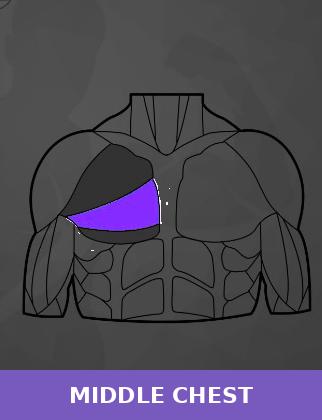
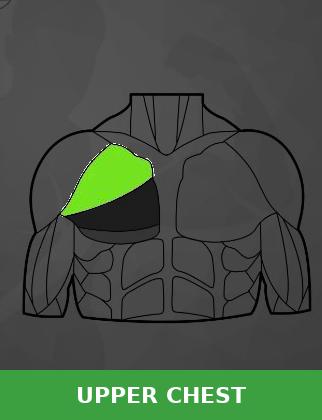
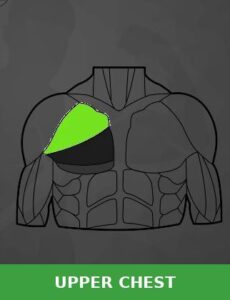
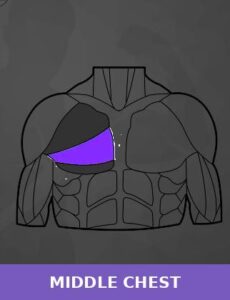
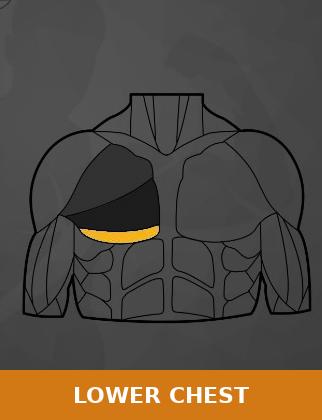
Your pectoralis major muscle has two major heads. These are the clavicle head, which refers to the top of your chest, and the sternal head, which refers to the mid and lower parts of your chest. The sternal head, as the name suggests, attaches itself to your rib cage. This muscle head has fibers that stretch out downwards and outwards. These fibers are unique, as you can see. They need to be moved in a special way to be engaged. These movements include pushing your body downwards or moving your arms across your body from a lower angle. It is essential to understand your muscles. It helps you choose the best exercises for your lower chest. It ensures the proper development of your muscles without any imbalances.
7 Proven Lower Chest Exercises for Maximum Growth
Developing a strong and defined lower chest muscle requires specific exercises. These exercises work the sternal head of your pectoralis major muscle. Perform 2 to 3 of the following exercises on a weekly basis. Emphasize proper form over weight. This will help you achieve maximum muscle activation while keeping the risk of injury to a minimum. Here are the top exercises:
Decline Dumbbell Press
The decline dumbbell press is a cornerstone exercise. It effectively targets the lower chest. Using dumbbells allows for a greater range of motion. It also helps correct strength imbalances. Lie on a decline bench. Hold a dumbbell in each hand. Keep your palms facing each other or slightly rotated. Lower the dumbbells slowly towards your outer chest. Drive them back up in a controlled arc. Squeeze your pecs at the top. This maximizes engagement. Avoid flaring your elbows too much. Maintain tension throughout the movement.
Decline Barbell Press
The decline barbell press allows for heavier loads. This makes it excellent for progressive overload. Position yourself on a decline bench. Unrack the barbell with a shoulder-width grip. Lower the bar slowly to your lower chest. Keep your elbows tucked slightly. Drive the bar back up with force. Control the negative portion of the lift. Ensure your spotter is ready. This is especially true with heavier weights. This exercise builds significant mass. It demands stability and strength.
Low-to-High Cable Crossovers
Cable crossovers offer constant tension. The low-to-high angle specifically hits the lower chest. Set the pulleys to the lowest position. Grab a handle in each hand. Step forward slightly with a staggered stance. Bring your hands up and together in an arc. Aim to cross your hands in front of your lower abdomen. Squeeze your pecs hard at the peak contraction. Control the eccentric phase. Let the cables pull your arms back slowly. This movement emphasizes the adduction function of the pectorals.
Dips (Chest Version)
Dips are a fantastic compound exercise. They build overall chest mass and strength. To target the lower chest, lean forward significantly. Keep your legs slightly bent behind you. Lower your body until your shoulders are below your elbows. Drive back up by extending your arms. Focus on squeezing your chest. A wider grip can also increase chest activation. Add weight with a dip belt for progression. This makes the exercise more challenging.
Decline Push-Ups
Decline push-ups are an effective bodyweight option. They mimic the decline press movement pattern. Elevate your feet on a sturdy surface. This could be a bench or a box. Place your hands on the floor, slightly wider than shoulder-width. Lower your chest towards the floor. Keep your body in a straight line. Push back up forcefully. Focus on engaging your lower chest. Increase the difficulty by using a higher elevation. Or try adding a weighted vest. This variation is highly versatile.
Machine Decline Press
Machine decline presses offer controlled movement. They are great for beginners or for high-volume work. The machine stabilizes the weight. This allows you to focus purely on muscle contraction. Adjust the seat height. Ensure the handles align with your lower chest. Press the handles away from you. Control the return phase. This exercise minimizes supporting muscle involvement. It maximizes the focus on the target muscle. It’s a safer option for heavier lifts too.
Forward Lean Pec Deck Fly
The pec deck fly typically targets the mid-chest. However, a slight adjustment can hit the lower chest. Lean forward slightly in the machine. This changes the angle of resistance. Keep a slight bend in your elbows. Bring the handles together in front of your chest. Squeeze your pecs strongly. Control the release of the handles. This emphasizes the adduction movement. It provides excellent isolation. This modification makes it very effective.
Optimizing Your Lower Chest Training for Results
Beyond selecting the right exercises, effective training principles are vital. These strategies ensure you get the most from your lower chest workouts. Consistency and smart progression are key. Pay attention to your body. Adjust as needed for optimal gains.
Rep Ranges and Sets
For muscle growth (hypertrophy), aim for 3-4 sets per exercise. Perform 8-12 repetitions per set. This range is generally considered optimal. If your goal is strength, drop the reps to 4-6. Increase the weight accordingly. Ensure you reach near failure in each set. Always prioritize form over lifting heavier weights. High-quality reps build better muscle. It’s about working smarter, not just harder.
Progressive Overload Principle
To continually build muscle, you must challenge your body. This is the progressive overload principle. Gradually increase the weight you lift. Or increase your reps or sets. You can also decrease rest times. Always aim to do more over time. This forces your muscles to adapt. It leads to consistent growth. Without progressive overload, your progress will stall. Keep a training log. This helps track your improvements.
Mind-Muscle Connection
Focus intently on the muscle you are working. This is the mind-muscle connection. Consciously contract your lower chest throughout the movement. Feel the fibers working. This can significantly improve muscle activation. It enhances your results. Don’t just go through the motions. Concentrate on every rep. Picture your muscles contracting. This makes each set more effective. More about mind muscle connection.
Addressing Common Lower Chest Training Mistakes
Many individuals unknowingly hinder their lower chest development. Avoid these common pitfalls. They can prevent you from achieving your aesthetic and strength goals. Awareness is the first step towards correction. Implement these changes for better results.
Neglecting Proper Form
Sacrificing form for heavier weight is a common error. This shifts tension away from the target muscle. It also increases injury risk. Always use strict form. Ensure your lower chest is doing the work. Lighten the weight if necessary. Proper execution is paramount. It ensures effective muscle stimulation. Sloppy reps lead to poor results. They also invite potential injuries. Always prioritize technique.
Overtraining Your Chest
Muscles grow during recovery, not during the workout. Overtraining your chest can hinder growth. It also leads to fatigue and burnout. Allow adequate rest between sessions. Typically, 48-72 hours is recommended. Listen to your body’s signals. More isn’t always better. Smart training involves strategic recovery. This allows for optimal muscle repair. It facilitates growth.
Focusing Only on Upper Chest
The “upper chest” often gets disproportionate attention. This leaves the lower chest underdeveloped. A balanced approach is crucial for aesthetics. It is also important for functional strength. Ensure your workout includes dedicated lower chest exercises. Don’t let your chest become top-heavy. Strive for symmetry and balance. This creates a much more impressive physique. Prioritize complete chest development.
Lower Chest Exercise Comparison Table
Choosing the right exercises depends on your goals and available equipment. This table compares some popular lower chest exercises. It highlights their benefits and considerations. Use it to tailor your workout. Maximize your results.
| Exercise | Primary Benefit | Equipment Needed | Considerations |
| Decline Dumbbell Press | Isolation, range of motion | Decline bench, dumbbells | Requires good stability; spotting recommended for heavy weight |
| Decline Barbell Press | Heavy loading, mass building | Decline bench, barbell | Requires spotter; less range of motion than dumbbell |
| Low-to-High Cable Crossovers | Constant tension, isolation | Cable Machine | Focus on mind-muscle connection; angle is key |
| Dips (Chest Version) | Compound strength, bodyweight | Dip station | Requires relative strength; can add weight for progression |
| Decline Push-Ups | Bodyweight, adaptable | Elevated surface (bench/ box) | Good for home workouts; Progressive difficulty |
| Machine Decline Press | Controlled movement, safety | Decline press machine | Less stabilization required; good for targeting |
Nutrition and Recovery for Optimal Lower Chest Development
Effective training is only one piece of the puzzle. Proper nutrition and adequate recovery are equally important. They support muscle repair and growth. Without them, your hard work in the gym won’t yield full results. Fuel your body wisely. Prioritize rest.
- Protein Intake: Consume 1.6-2.2 grams of protein per kilogram of body weight daily. Protein is essential for muscle repair. It is the building block of new muscle tissue. Distribute your intake evenly. Have it across multiple meals.
- Carbohydrates: Carbs provide energy for your workouts. They also replenish glycogen stores. Aim for complex carbohydrates. These include oats, brown rice, and whole grains. Adjust intake based on your activity level.
- Healthy Fats: Essential for hormone production and overall health. Include sources like avocados, nuts, seeds, and olive oil. Fats play a crucial role. They support many bodily functions.
- Hydration: Drink plenty of water throughout the day. Dehydration can impair performance. It also hinders recovery. Staying hydrated is fundamental. It supports all metabolic processes.
- Sleep: Aim for 7-9 hours of quality sleep per night. This is when your body repairs and grows. Muscle growth hormones are released during sleep. Prioritize good sleep hygiene.
Frequently Asked Questions About Lower Chest Development
How often should I train my lower chest?
Train your lower chest 1-2 times per week. Allow 48-72 hours of rest between sessions. This ensures adequate recovery. It supports muscle growth.
Can I build my lower chest at home?
Yes, absolutely. Decline push-ups are highly effective. You can also perform dips if you have a sturdy surface. These exercises don’t require gym equipment. They are great for home workouts.
Is the flat bench press good for the lower chest?
The flat bench press works the entire pectoralis major. It emphasizes the mid-chest. However, it’s not the most effective for isolating the lower chest. Decline movements are more targeted.
What is the best exercise for lower chest?
There isn’t one “best” exercise. Decline presses (dumbbell or barbell) are highly effective. Cable crossovers also provide excellent isolation. Incorporate a variety for comprehensive development.
Why is my lower chest lagging?
It might be due to a lack of targeted exercises. Or improper form, or insufficient intensity. Review your current routine. Ensure you are applying progressive overload. Focus on mind-muscle connection.
Conclusion
Developing a strong and defined lower chest is achievable. It requires understanding, targeted effort, and consistent application. By incorporating the proven exercises and strategies outlined here, you can sculpt an impressive physique. Remember to prioritize proper form, progressive overload, and a balanced approach to nutrition and recovery. Don’t neglect this crucial area. Start building your incredible lower chest today!