- Mastering Essential Hamstring Exercises
- Why Hamstring Exercises Are Crucial for Everyone
- Anatomy of the Hamstrings: A Quick Overview
- Top 7 Hamstring Exercises You Need to Master
- Integrating Hamstring Exercises Into Your Routine
- Common Mistakes to Avoid During Hamstring Exercises
- Beyond Strength: The Diverse Benefits of Strong Hamstrings
- Frequently Asked Questions About Hamstring Exercises
- Unlock Your Full Potential with Dedicated Hamstring Exercise
Mastering Essential Hamstring Exercises
Unlocking your body’s full potential begins with foundational strength. Developing powerful hamstrings is central to this goal. Incorporating effective hamstring exercise routines offers many benefits. It is vital for athletic performance and injury prevention. It also supports overall lower body health.
Strong hamstrings support explosive movements. They also stabilize your knees and hips. This guide explores the best hamstring exercises. We cover proper form and strategic integration. Elevate your training with these expert insights.
Why Hamstring Exercises Are Crucial for Everyone
Many fitness programs overemphasize quadriceps development. This can create significant muscle imbalances. Such imbalances greatly increase injury risk. Specifically, knee and lower back issues become more common.
Dedicated hamstring exercise helps counteract these problems. It builds balanced strength across your entire leg. This balance is critical for athletes. It also benefits anyone seeking better functional movement. Don’t neglect this powerhouse muscle group.
Anatomy of the Hamstrings: A Quick Overview
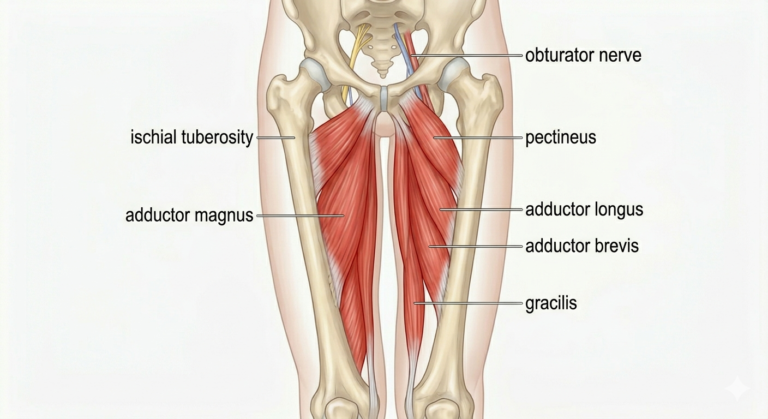
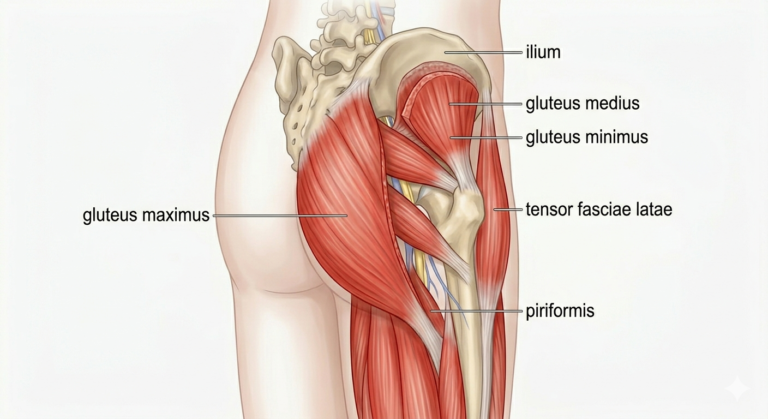
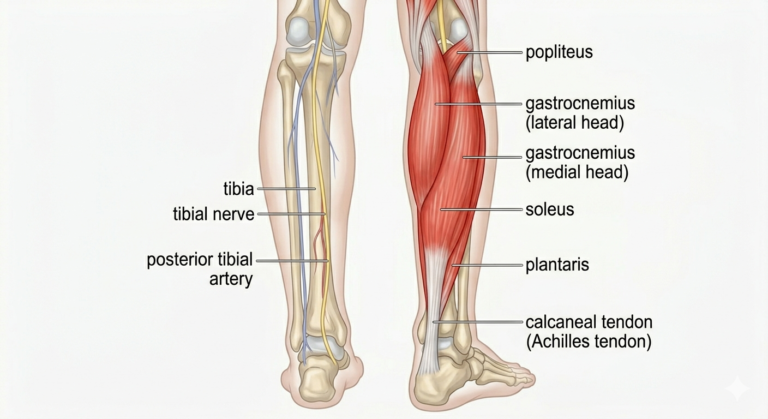
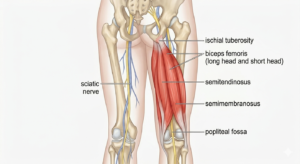
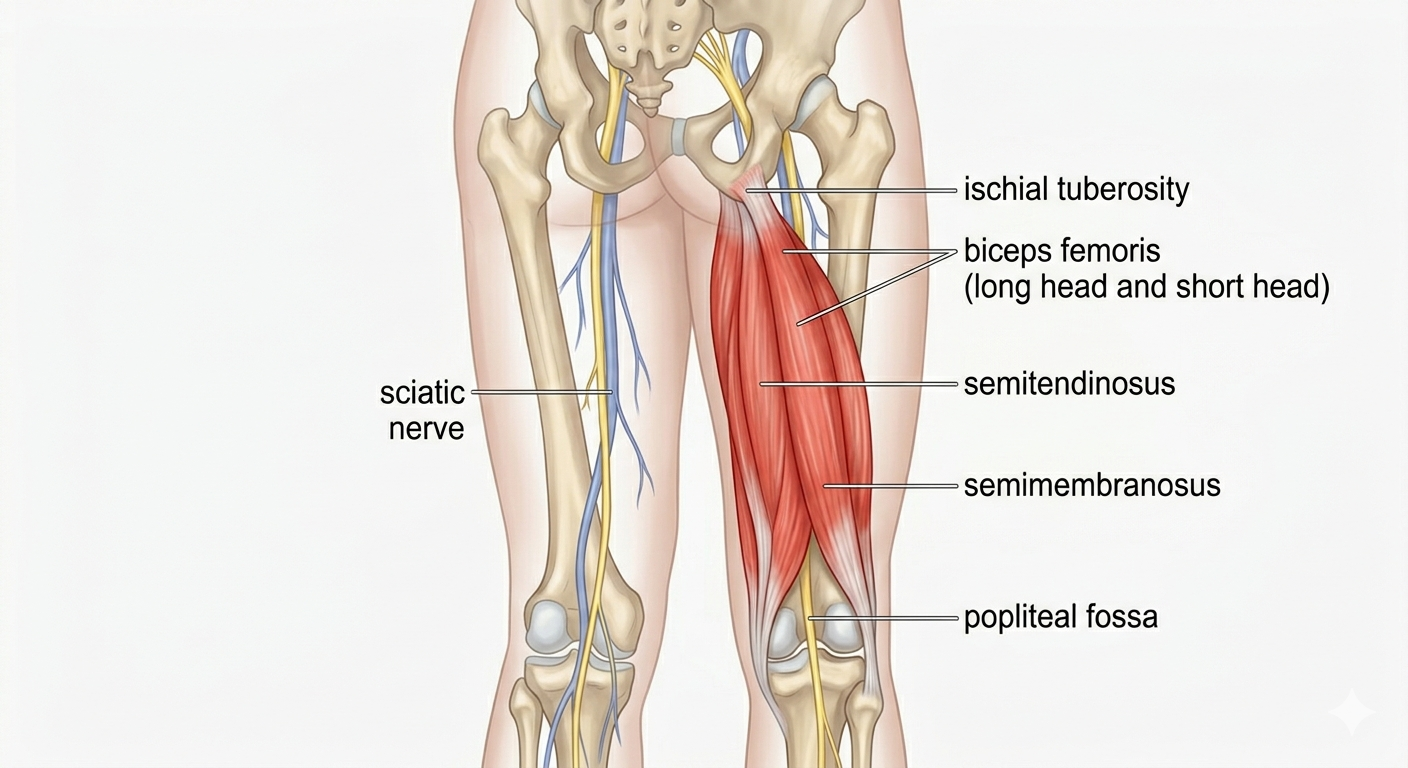
The hamstrings are a group of three muscles. They run along the back of your thigh. These are the semitendinosus, semimembranosus, and biceps femoris. They originate from the ischial tuberosity (sit bone).
These muscles insert just below the knee joint. Their primary functions include knee flexion and hip extension. Understanding this anatomy helps target muscles effectively. It ensures a comprehensive hamstring exercise program. More about Hamstring
Top 7 Hamstring Exercises You Need to Master
Building strong, resilient hamstrings requires varied movements. Each exercise targets the muscles in unique ways. Proper form is paramount for safety and effectiveness. Always prioritize technique over heavy weights.
We’ve curated seven essential hamstring exercise variations. These moves are proven to deliver exceptional results. Incorporate them wisely into your regimen. Always consult a professional for personalized advice.
Romanian Deadlift (RDL)
The RDL is a fundamental posterior chain exercise. It powerfully targets the hamstrings and glutes. Unlike conventional deadlifts, the RDL emphasizes the eccentric phase. This lengthens the hamstrings under tension.
How to Perform:
- Stand with feet hip-width apart. Hold a barbell or dumbbells.
- Keep a slight bend in your knees. Maintain a flat back.
- Hinge at your hips, lowering the weight towards the floor.
- Feel a stretch in your hamstrings.
- Return to starting position by squeezing glutes and hamstrings.
Glute-Ham Raise (GHR)
The GHR is an advanced hamstring exercise. It builds incredible strength and endurance. It works both knee flexion and hip extension simultaneously. This makes it highly effective for athletes.
How to Perform:
- Secure your feet in a GHR machine.
- Start with your body perpendicular to the floor.
- Lower your torso by flexing knees and extending hips.
- Keep your body in a straight line.
- Pull yourself back up using your hamstrings and glutes.
This movement is challenging. Master bodyweight control first. Only then progress to weighted variations. It is a cornerstone hamstring exercise for serious lifters.
Hamstring Curl (Machine or Stability Ball)
Hamstring curls isolate the hamstrings. They primarily work the knee flexion function. This isolation helps build muscle size and strength. Both machine and stability ball versions are effective.
How to Perform (Machine):
- Lie face down on a hamstring curl machine.
- Position your lower calves under the pad.
- Curl your legs upwards towards your glutes.
- Squeeze your hamstrings at the top.
- Slowly lower the weight back down.
How to Perform (Stability Ball):
- Lie on your back with heels on a stability ball.
- Lift your hips off the floor.
- Pull the ball towards your glutes by bending your knees.
- Extend your legs back to the starting position.
Focus on controlled movement. Avoid using momentum. This ensures maximum muscle engagement. It is a great foundational hamstring exercise.
Good Mornings
Good Mornings are excellent for the entire posterior chain. They particularly emphasize the hamstrings and lower back. This exercise helps improve hip hinge mechanics. Use light weights to start.
How to Perform:
- Place a barbell across your upper back (like a squat).
- Stand with feet shoulder-width apart. Maintain a slight knee bend.
- Hinge at your hips, pushing your glutes back.
- Lower your torso until it’s nearly parallel to the floor.
- Return to the starting position. Squeeze your glutes and hamstrings.
Keep your core tight throughout the movement. Avoid rounding your back. This hamstring exercise demands precision. Proper form prevents injury.
Single-Leg RDL
The Single-Leg RDL addresses muscular imbalances. It enhances balance and core stability. This unilateral hamstring exercise also intensely works the glutes. It’s fantastic for functional strength.
How to Perform:
- Stand on one leg. Hold a dumbbell in the opposite hand.
- Hinge at your hip. Extend your free leg straight back.
- Lower the dumbbell towards the floor. Keep your back flat.
- Maintain balance. Feel the stretch in your standing hamstring.
- Return to the starting position with control.
Start with bodyweight if needed. Focus on control. Slowly add light weight. This exercise is challenging but highly rewarding.
Nordic Hamstring Curl
The Nordic Hamstring Curl is exceptionally effective. It builds eccentric strength. This is crucial for injury prevention. It is often used in sports-specific training. Many consider it the ultimate hamstring exercise.
How to Perform:
- Kneel on a padded surface. Have a partner hold your ankles down or hook on some object.
- Keep your body straight from knees to shoulders.
- Slowly lower your torso towards the floor. Resist the fall.
- Use your hands to push back up.
- Engage your hamstrings to return to the starting position.
This exercise is very difficult. Start with a partial range of motion. Gradually increase your control. It offers profound benefits for hamstring resilience.
Kettlebell Swings
Kettlebell Swings are dynamic and explosive. They target the entire posterior chain. This includes the hamstrings, glutes, and lower back. They improve power and cardiovascular fitness.
How to Perform:
- Stand with feet wider than shoulder-width. Place a kettlebell in front.
- Hinge at your hips. Grab the kettlebell with both hands.
- Hike the kettlebell back between your legs.
- Explosively drive your hips forward. Swing the kettlebell up to chest height.
- Allow gravity to bring the kettlebell back down. Control the descent.
Focus on hip drive, not arm strength. The swing is a powerful hip hinge movement. It’s a fantastic functional hamstring exercise. Ensure you use proper technique to avoid injury.
Integrating Hamstring Exercises Into Your Routine
Strategic program design is key. Don’t just randomly add hamstring exercises. Consider pairing them with quadriceps work. This promotes muscular balance. A common approach is a “push/pull” split. Or a “upper/lower” body split.
For example, perform RDLs on a lower body day. Combine them with squats. Include hamstring curls on another day. This helps target different functions. Aim for 2-3 sessions per week. Allow adequate recovery between workouts. Progressive overload is essential for continued gains. This means gradually increasing weight, reps, or sets over time. Complement your hamstring training with effective quad exercises for balanced development.
Common Mistakes to Avoid During Hamstring Exercises
Even seasoned lifters can make errors. These mistakes reduce effectiveness. They also increase injury risk. Awareness is your first line of defense.
- Rounding Your Back: This is common in deadlift variations. It puts immense stress on the spine. Always maintain a neutral spine.
- Using Momentum: Swinging weights reduces muscle engagement. Control the movement throughout each rep.
- Overloading Too Soon: Prioritize form over weight. Increase resistance gradually.
- Neglecting Eccentric Phase: The lowering portion is crucial. Control it slowly for maximum benefit.
- Ignoring Warm-up/Cool-down: Dynamic warm-ups prepare muscles. Static stretches aid recovery.
These tips will help you maximize results. They also keep you safe. Consistency with proper form yields the best outcomes for every hamstring exercise.
Beyond Strength: The Diverse Benefits of Strong Hamstrings
The advantages of dedicated hamstring work extend far. They impact performance, health, and daily life. Understanding these benefits motivates consistent training.
- Improved Athletic Performance: Enhanced speed, jumping, and agility. Crucial for sprinters and team sports.
- Reduced Injury Risk: Protects knees and lower back. Prevents strains and tears.
- Better Posture: Balances muscle groups around the pelvis. Supports a healthy spine.
- Enhanced Aesthetics: Develops well-defined, powerful legs. Contributes to a balanced physique.
- Increased Stability: Improves overall joint stability. Especially important for the knee joint.
Investing in your hamstrings pays dividends. It supports a more capable and resilient body. This makes every hamstring exercise worthwhile. Combine with targeted glute strengthening for a truly powerful posterior chain
Frequently Asked Questions About Hamstring Exercises
Q: How often should I do hamstring exercises?
A: Aim for 2-3 times per week. Allow 48-72 hours recovery between intense sessions. This ensures muscle repair and growth.
Q: Can hamstring exercises help with knee pain?
A: Yes, strengthening hamstrings can improve knee stability. It balances forces around the joint. Consult a doctor or physical therapist for specific conditions.
Q: Are bodyweight hamstring exercises effective?
A: Absolutely. Exercises like Nordic Curls and Glute Bridges are highly effective. They build foundational strength before adding weights. Stability ball curls are also excellent.
Q: What’s the difference between a hamstring exercise and a glute exercise?
A: Many exercises work both. Hamstrings primarily flex the knee and extend the hip. Glutes primarily extend and abduct the hip. RDLs work both. Hamstring curls isolate knee flexion more.
Q: How long until I see results from hamstring exercises?
A: With consistent training, you can expect noticeable strength improvements in 4-6 weeks. Muscle hypertrophy (growth) may take longer, typically 8-12 weeks. Diet and recovery play a role.
Unlock Your Full Potential with Dedicated Hamstring Exercise
Integrating effective hamstring exercise into your routine is transformative. It’s not just about building bigger muscles. It’s about forging a resilient, powerful, and injury-resistant body. From improved athletic performance to better daily movement, the benefits are profound.
Remember to prioritize proper form. Vary your exercises. Listen to your body. Consistency and smart progression are your keys to success. Start incorporating these essential hamstring exercises today. Feel the difference a strong posterior chain makes.