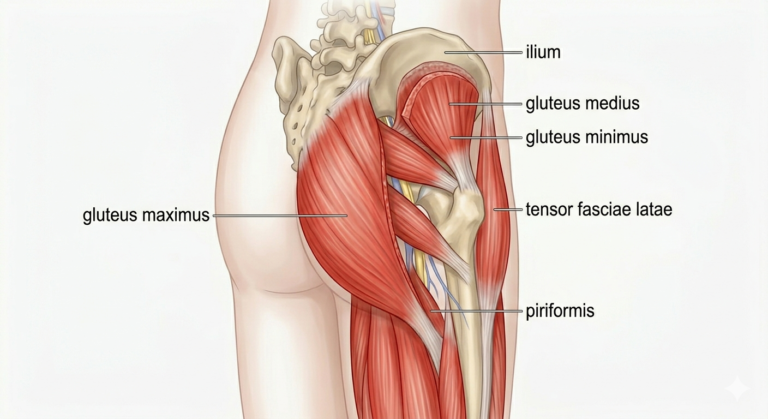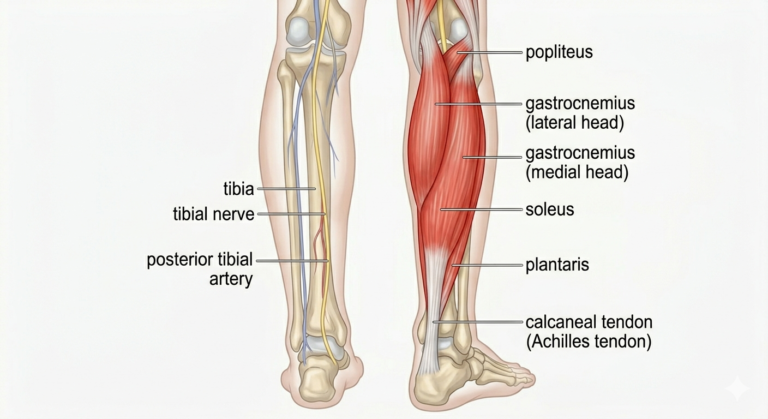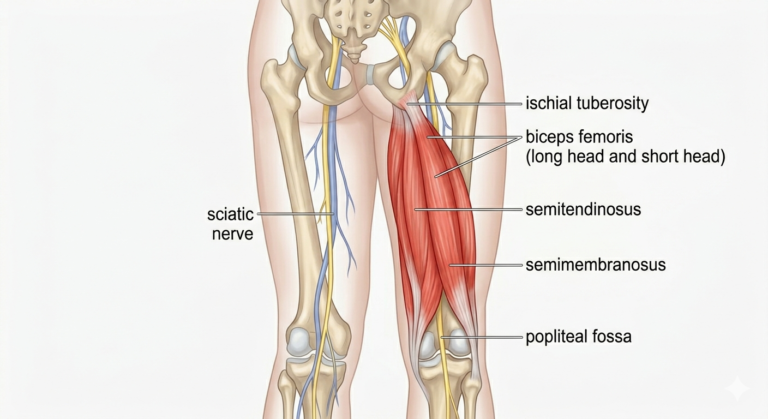
Understanding the proper adductor exercise is crucial for overall lower body strength and injury prevention. The adductor muscles, often referred to as your inner thighs, play a pivotal role. They contribute to hip stability, athletic performance, and even daily movements.
Ignoring these vital muscles can lead to imbalances. This may increase your risk of groin strains or hip issues. This comprehensive guide will explore the importance of adductor training. We will also detail specific exercises for strengthening these essential muscles.
Prepare to enhance your fitness routine with expert insights. You will build a stronger, more resilient lower body.
Understanding the Importance of Adductor Exercise
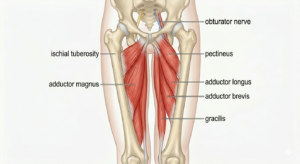
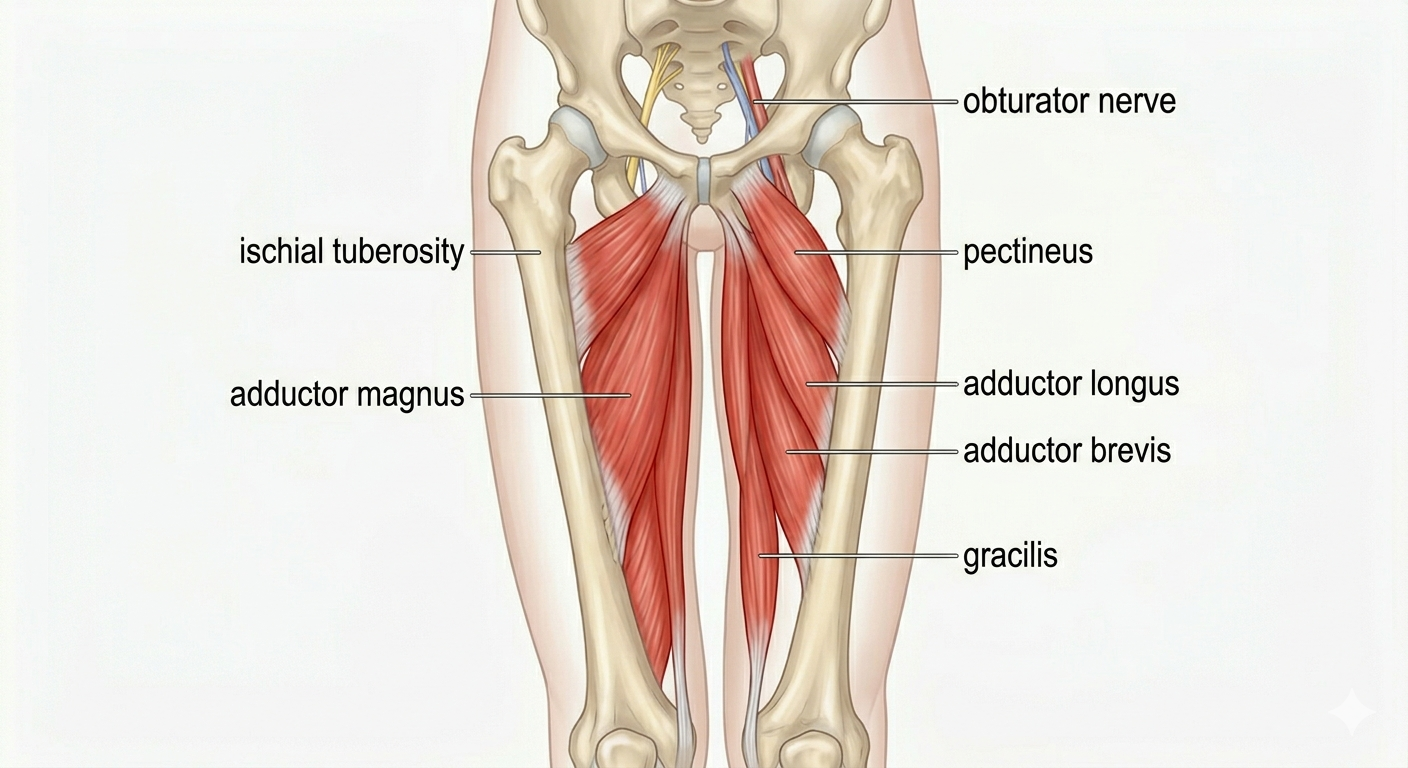
The adductor magnus, longus, brevis, pectineus, and gracilis make up your adductor muscle group. These muscles originate on your pelvis. They insert along the inner aspect of your femur, or thigh bone. Their primary action is to bring your legs together, known as adduction.
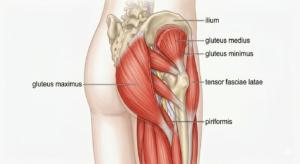
However, their function extends far beyond this simple movement. Strong adductors are vital for hip stabilization. They work synergistically with your abductors (outer thighs). This balance prevents knee collapse during squats and lunges.
They also contribute significantly to powerful athletic movements. These include changing direction, kicking, and sprinting. Neglecting them can lead to muscle imbalances. This often results in a higher likelihood of groin pulls or other lower body injuries. Prioritizing adductor exercise builds a robust and functional lower body. Know more about Adductor Muscle.
Top 7 Effective Adductor Exercise Variations
Incorporating a variety of adductor exercise movements ensures comprehensive muscle development. These exercises target your inner thighs effectively. They cater to different fitness levels and equipment access.
Cossack Squat
The Cossack squat is an excellent dynamic adductor exercise. It improves both strength and flexibility. It works one leg’s adductors intensely while stretching the other.
Steps to perform Cossack Squat:
- Stand with your feet wide, toes pointed slightly out.
- Shift your weight to one side, bending that knee deeply. Keep the other leg straight.
- Lower your hips towards the floor. Keep your torso upright and heel down on the bent leg.
- The straight leg’s foot can lift off the heel, resting on the side of the foot.
- Push off the bent leg to return to the starting position. Repeat on the opposite side.
Tips: Control the movement throughout. Go only as deep as your mobility allows. You can hold a dumbbell at your chest for added resistance.
Side Lying Leg Lift
This classic adductor exercise isolates the inner thigh. It requires no equipment. This makes it perfect for home workouts or warm-ups.
Steps to perform Side Lying Leg Lift:
- Lie on your side. Extend your bottom leg straight. Bend your top leg and place your foot flat on the floor in front of you.
- Support your head with your hand. Place your other hand on the floor for stability.
- Exhale and slowly lift your bottom leg upwards. Keep it straight and controlled.
- Lift as high as possible without rolling your torso.
- Inhale as you slowly lower the leg back down. Avoid letting it touch the floor fully.
- Complete all reps on one side before switching.
Tips: Focus on squeezing your inner thigh. Avoid using momentum. Add an ankle weight for increased challenge.
Cable Adduction
The cable machine provides consistent tension for an effective adductor exercise. This helps build strength and muscle definition.
Steps to perform Cable Adduction:
- Stand sideways to a cable machine. Attach an ankle strap to your inner ankle of the leg closest to the machine.
- Take a step away from the machine to create tension. Hold onto the machine for balance.
- Keep your core engaged and your body upright.
- Exhale and slowly pull your working leg across your body. Bring it towards your standing leg.
- Squeeze your inner thigh at the peak contraction.
- Inhale as you slowly return the leg to the starting position. Control the movement.
Tips: Keep your movements smooth and controlled. Avoid swinging the leg. Maintain a slight bend in your standing knee for stability.
Adductor Squeeze with Ball
This simple yet effective adductor exercise uses an exercise ball or foam roller. It provides an isometric contraction. This builds strength without large movements.
Steps to perform Adductor Squeeze with Ball:
- Lie on your back with knees bent and feet flat on the floor.
- Place an exercise ball, yoga block, or rolled towel between your knees.
- Engage your core. Slowly squeeze the object between your knees.
- Focus on actively contracting your inner thigh muscles.
- Hold the squeeze for 5-10 seconds.
- Slowly release the pressure. Repeat for desired repetitions.
Tips: Ensure constant tension during the hold. Breathe normally throughout the exercise. You can also perform this seated.
Sumo Squat
The sumo squat is a compound adductor exercise. It targets the inner thighs along with the glutes and quadriceps. It’s excellent for overall lower body development.
Steps to perform Sumo Squat:
- Stand with your feet wider than shoulder-width apart. Point your toes out at a 45-degree angle.
- Hold a dumbbell or kettlebell with both hands in front of your chest (goblet style).
- Keeping your chest up and core engaged, push your hips back. Bend your knees.
- Lower your body as if sitting into a chair. Ensure your knees track over your toes.
- Descend until your thighs are parallel to the floor, or lower if comfortable.
- Push through your heels to return to the starting position. Squeeze your glutes at the top.
Tips: Keep your back straight throughout the movement. Focus on engaging your adductors as you descend and ascend. Avoid letting your knees cave inward.
Copenhagen Plank
This advanced adductor exercise is highly effective for groin injury prevention. It strengthens the adductors isometrically. It requires good body control.
Steps to perform Copenhagen Plank:
- Lie on your side next to a bench or sturdy elevated surface.
- Place the inside of your top ankle (or shin for an easier variation) on the bench. Your bottom leg should be straight beneath it.
- Prop yourself up on your forearm. Keep your elbow directly under your shoulder.
- Lift your hips off the floor. Create a straight line from your head to your top ankle.
- Actively squeeze your adductors to push your top leg into the bench.
- Hold this position for the desired duration.
- Slowly lower yourself back down. Repeat on the other side.
Tips: Keep your core tight to prevent hip sagging. Start with shorter holds. Progress to longer durations or by placing only your ankle on the bench.
Banded Lateral Walks
Banded lateral walks are a fantastic warm-up or accessory adductor exercise. They activate the adductors dynamically. They also engage the gluteus medius.
Steps to perform Banded Lateral Walks:
- Place a resistance band around your ankles, just above your knees, or at your feet.
- Stand with your feet shoulder-width apart. Maintain a slight bend in your knees.
- Engage your core. Take a small, controlled step sideways with one foot.
- Follow with the other foot, maintaining tension in the band.
- Ensure your knees stay pushed out against the band. Avoid letting them cave inward.
- Continue walking sideways for the desired distance or repetitions.
- Repeat in the opposite direction.
Tips: Keep your hips level and avoid rocking side to side. Focus on controlled movements. Not on speed. Ensure the band maintains tension throughout the entire movement
Common Mistakes in Adductor Exercise & How to Avoid Them
Proper form is paramount when performing any adductor exercise. Avoiding common errors prevents injury. It also maximizes muscle activation.
- Using Momentum Instead of Muscle: Many people swing their legs during cable adductions or side lying lifts. This reduces the muscle’s work. Focus on slow, controlled movements.
- Ignoring Core Engagement: A weak core can lead to instability. This makes adductor exercises less effective. Actively brace your core throughout all movements.
- Limited Range of Motion: Not moving through a full range of motion limits muscle development. Go as far as your flexibility allows, comfortably and safely.
- Relying on Only One Exercise: Over-reliance on a single adductor exercise can create imbalances. Incorporate a variety of movements to target the adductors comprehensively.
- Excessive Weight/Resistance Too Soon: Trying to lift too heavy too quickly can compromise form. Prioritize proper technique over heavy loads. Progress gradually.
By being mindful of these pitfalls, you can ensure your adductor exercise routine is both safe and highly effective.
Integrating Adductor Exercise into Your Routine
To achieve the best results, consistency is key. Incorporate 2-3 adductor exercise sessions per week. Allow for rest days in between.
For strength building, aim for 3-4 sets of 8-12 repetitions. For endurance, opt for 2-3 sets of 15-20 repetitions. For isometric exercises like the Copenhagen plank or adductor squeeze, hold for 20-60 seconds.
Start with bodyweight or light resistance. Gradually increase the load or duration as you get stronger. Listen to your body and avoid pushing through sharp pain. Always include a dynamic warm-up before your workout. A static stretch cool-down is also beneficial.
Beyond Adductor Exercise: Complementary Strategies
Optimizing your adductor health involves more than just strengthening. Incorporate regular stretching to maintain flexibility. Foam rolling can also help release muscle tension. Consider movements that improve overall hip mobility. This will support your adductor strength. [INTERNAL LINK: Hip Mobility Drills]
Ensuring balanced development across all lower body muscle groups is also vital. This includes your glutes, hamstrings, and quadriceps. A holistic approach will yield the best long-term results.
Conclusion
Mastering the adductor exercise is a game-changer for your lower body health and performance. These powerful inner thigh muscles are critical for hip stability, injury prevention, and athletic prowess. By incorporating the diverse exercises outlined in this guide, you can build impressive strength. You will also improve your flexibility and overall functional movement.
Remember to prioritize proper form. Be consistent with your training. Progress gradually to unlock the full potential of your adductors. Start integrating these essential moves into your routine today. Experience a stronger, more resilient you.